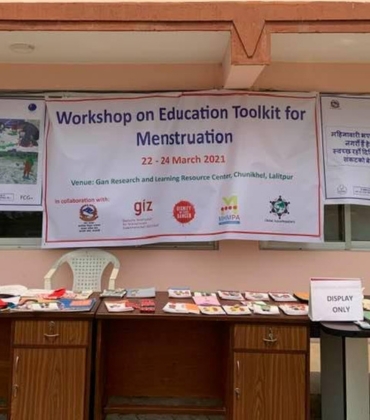
Lalitpur, Nepal
Welcome to Gan Research and Learning Center

Welcome to Gan Research and Learning Center
Lalitpur, Nepal
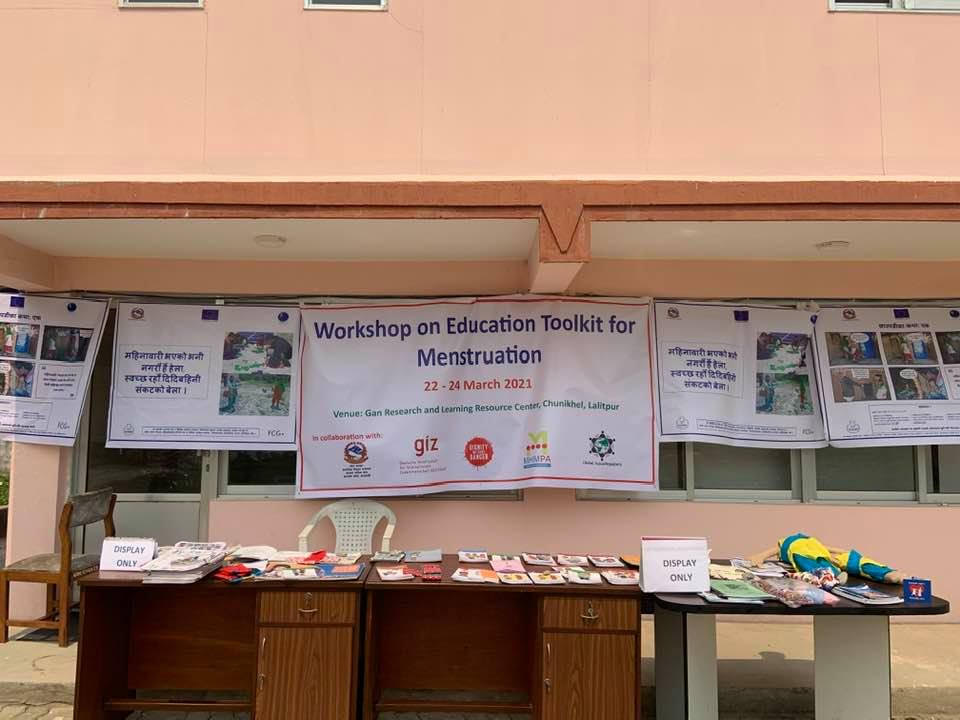
However, Menstruation is a natural phenomenon; women and girls
do not have the basic right to a
dignified menstrual cycle in Nepal. This means that they are subjected to inhumane and
degrading
treatment, including abuse and violence. Menstruation is often viewed as a time of
‘impurity’ and results in
wide ranging discriminatory beliefs and practices those vary according to intersecting
factors such as ethnicity,
caste, religious beliefs, geographical locations and levels of education. Women and
girls are often treated as being
untouchable during the menstruation time. The exclusionary practices, stigma and
prohibitions surrounding
menstruation, inherent in traditional beliefs and cultural heritage practices, have a
negative impact on
school attendance and employment, preventing women and girls from fully participating in
economic
and social life. This has become an emerging problem in Nepal. Due to the lack of
informed plans,
policies and programs, women and girls are not only deprived of human dignity during
menstruation, but
also social stigma and taboo on their health and education.
We believe education plays a key role in dispelling myths about menstruation and
impurity but often people are
confined by social- cultural norms that are deeply rooted in society. They are denied
their sexual and reproductive
rights and such discrimination needs to be challenged.
Menstruation is a cross sectorial issue, dominantly linked with education, human rights,
reproductive health as
well as water, sanitation and hygiene (WASH) and gender sectors in Nepal. In the absence of
informed planning,
policies and programs, women and girls might be deprived of not only human dignity during their
menstruation,
but also suffering from social stigma and taboos around menstruation on their health and
education.
In Nepal, women and girls do not have the basic right to a dignified menstrual cycle. This
means that
they are subjected to inhumane and degrading treatment, including abuse and violence. The
exclusionary practices, stigma and prohibitions surrounding menstruation, inherent in
traditional beliefs
and cultural heritage practices, have a negative impact on school attendance and employment,
preventing women and girls from fully participating in economic and social life. This has become
an
emerging problem in Nepal. Due to the lack of informed plans, policies and programs, women and
girls
are not only deprived of human dignity during menstruation, but also social stigma and taboo on
their
health and education. Majority teachers are skipping reproductive health and Menstruation
content so
students have rare understanding of physiology human body and its system. Therefore, A
Menstruation
education toolkits were developed to ease and less challenging for teacher and students while
learning
sexual reproductive health.
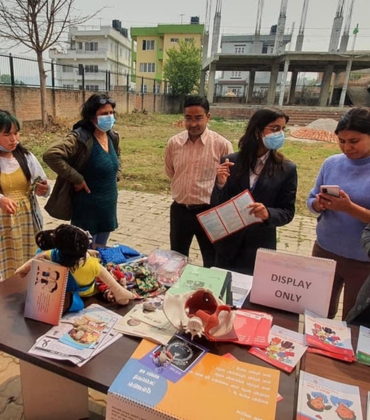
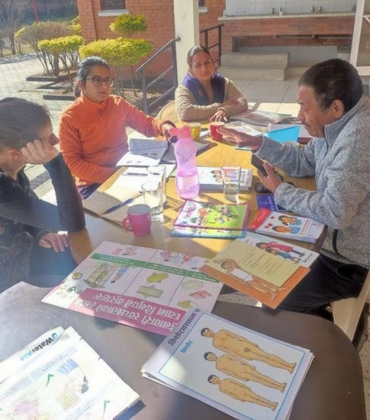
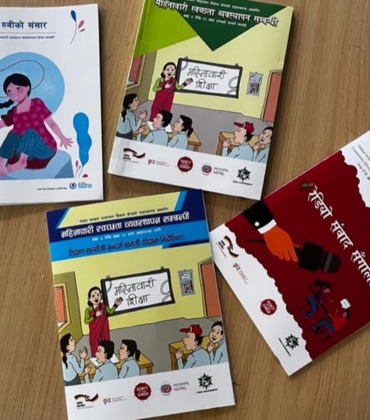
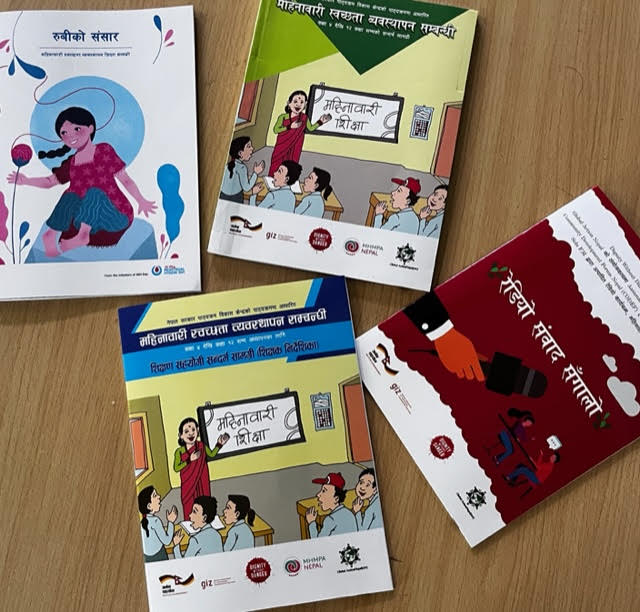
The toolkit is a package of supplementary resource materials for teachers and students it
includes:
1. Developed Teachers directives and student learning materials as per the school
curriculum (class 4-12)
from a team of stakeholders/ actors who has been involving in the sector for long time.
2. Translated version of Ruby’s World (Teachers Directives from WASH United Germany),
Compilation of
Menstruation Education Resource person’s Radio dialogues
3. Reference materials produced by different organizations even if it is not directly linked
to the
curriculum. (comics, story books, case studies etc )
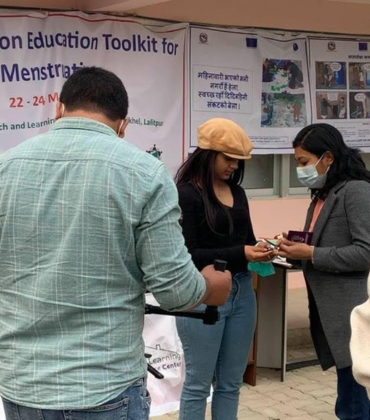
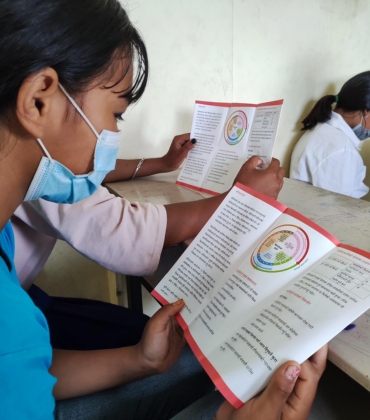
4. Pre -piloting The above curriculum based reference materials has been pre-piloted in
schools in Lalitpur and
Kathmandu after 3 days of teacher training using materials with interactive and joyful teaching
learning. A
reflection workshop was conducted with all teachers and some student’s representatives to
collect feedback
which is incorporated into the Resource kits.